Off-Grid Electrical Systems in Brisbane
- Community Focused
- Manufacturer Approved
- Insurance Preferred
Travel Tested
Off-Grid Electrical Systems Built for Freedom
Flat battery at a bush camp? No power for your fridge? That’s the kind of hassle no one needs when you’re trying to enjoy the quiet. At Torque Metro Caravan Services in Archerfield, we install off-grid electrical systems that let Brisbane travellers keep the lights on, the beers cold and the plans flexible.
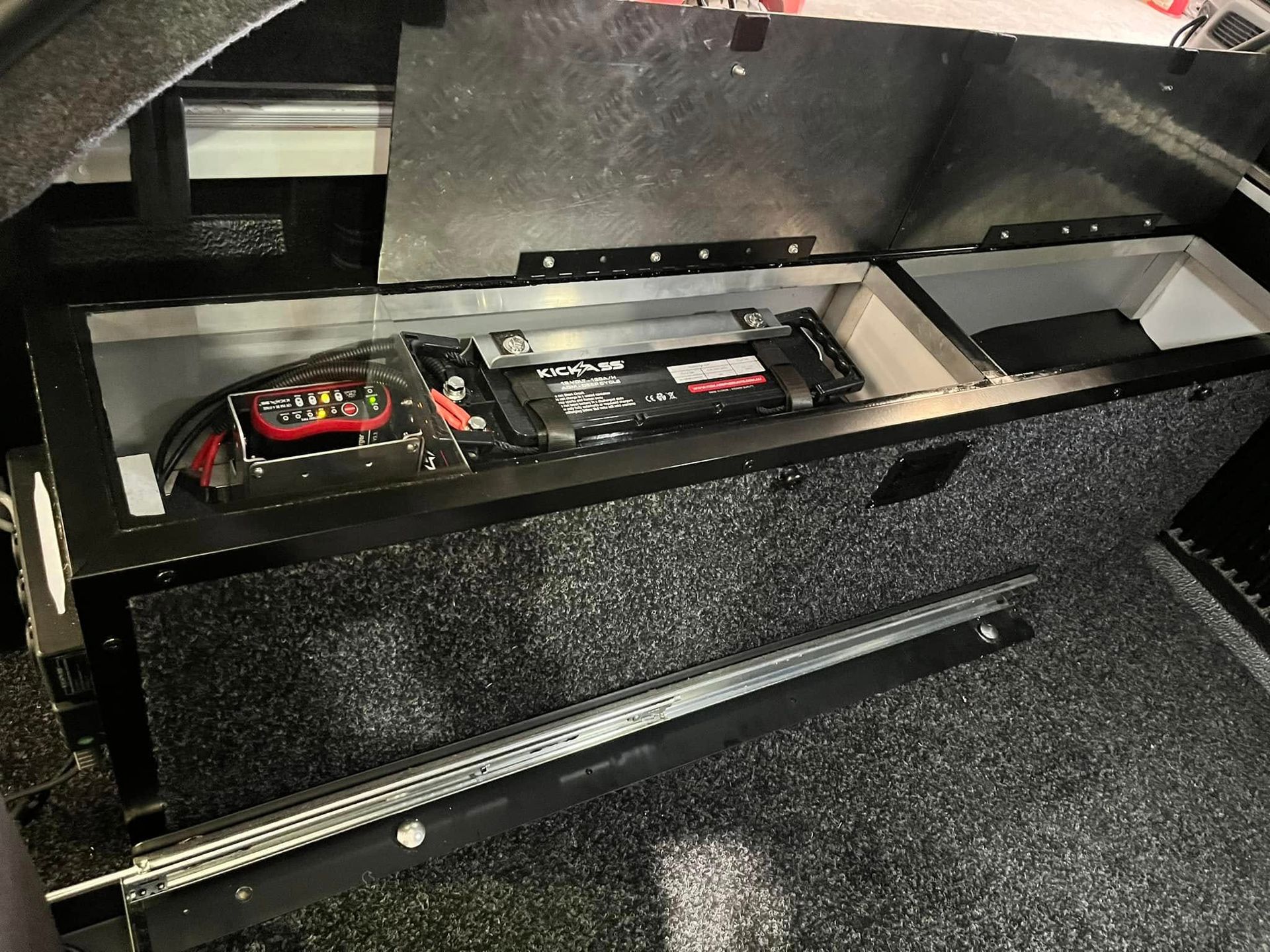
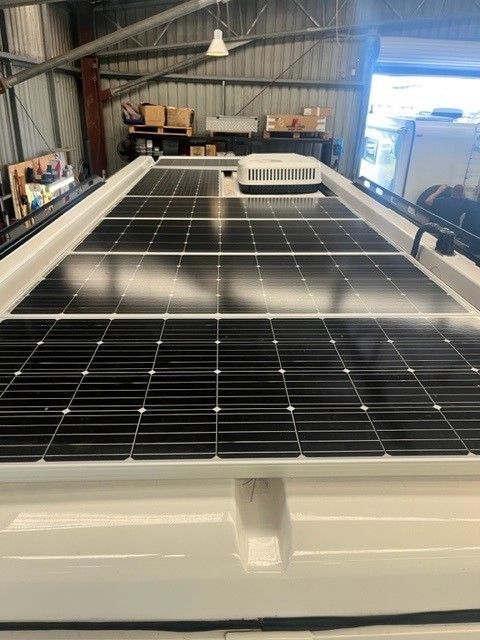
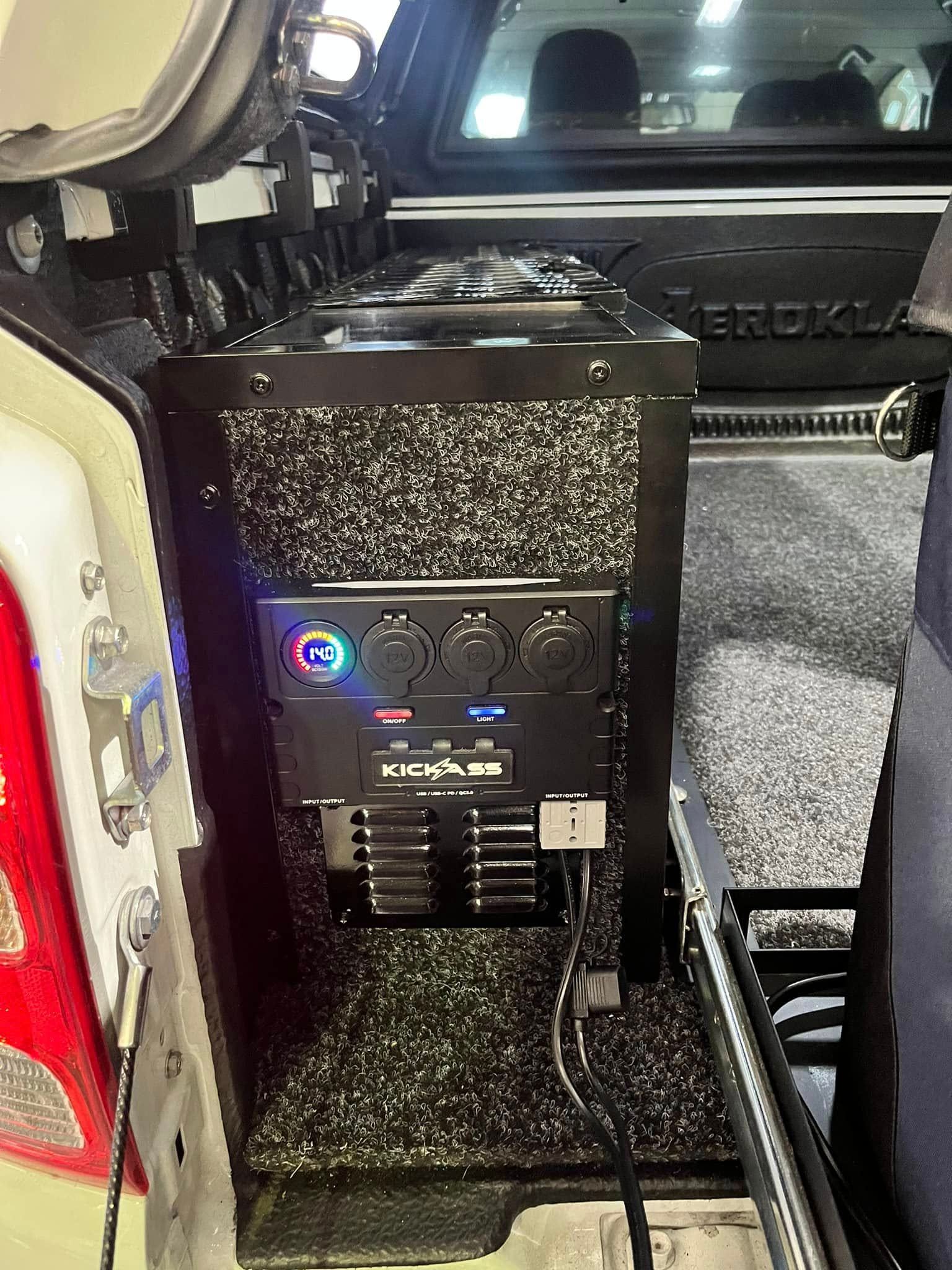
We supply and fit full 12V setups, lithium batteries, solar panels, inverters and charging systems, sourced from brands that actually handle life on the road. Every system is tailored to your van, your gear and how long you like to stay off-grid. From quick overnight stops to multi-week stints, we’ll make sure your setup keeps up. Give us a call on 0455 027 736 to power up your van.
Smart Charging
Silent Power
Energy Matched
Future Friendly
Powering Your Next Adventure
A good off-grid setup gives you freedom, but a bad one leaves you on the side of the road. That’s why it pays to get it right the first time. We build off-grid electrical systems that balance your energy needs with the right mix of solar, lithium or AGM batteries and inverter capacity. No more guessing if the lights will last the night.
We install gear that plays well together: solar inputs that charge efficiently, battery modifications that hold up under heavy load, and inverters that don’t trip out when you make a coffee.
FAQ
Everything You Need To Know
Are lithium batteries better than AGM for off-grid caravanning?
Yes, lithium batteries are lighter, more efficient and last significantly longer than AGM. They deliver more usable capacity, can be discharged deeper without damage and recharge much faster. That said, lithium is more expensive upfront.
If you’re travelling regularly or for long periods, lithium is usually the smarter investment. For short trips or occasional use, AGM might be more cost-effective. It’s important to choose a battery that suits your system’s charging setup and your expected power draw.
Do I need an inverter to go off-grid?
Not always. Inverters convert 12V battery power into 240V electricity, which you’ll need for appliances like coffee machines, laptops or microwaves. If you only run 12V gear — like LED lights, fans and compressor fridges — you can often go without one.
However, having an inverter adds flexibility, especially for modern travel setups. Pure sine wave inverters are recommended for sensitive devices. You’ll also need to factor in the size and power draw to match it with your battery and solar output.
Can I mix solar and DC-DC charging in one system?
Absolutely, and it’s actually the ideal setup for most off-grid systems. Solar panels charge while you’re parked, and a DC-DC charger uses your vehicle’s alternator to top up the battery while driving.
This dual input approach helps maintain charge even in cloudy conditions or low-sun areas. It also reduces strain on one single charging method. Good quality DC-DC chargers include MPPT solar regulators and smart tech that balances both sources without overloading your battery.